
What Is the 30/5 Rule for Weddings? A Full Timeline Guide
- gregwilliams010
- 1 day ago
- 16 min read

The 30/5 rule for weddings is a timeline-planning method that assumes any task expected to take 5 minutes on a normal day, like getting dressed or gathering the wedding party for photos, will actually take about 30 minutes on your wedding day. Planners build in 30-minute blocks for major activities and 5-minute buffers between them to prevent one delay from cascading through the entire evening.
Key Takeaways
The most widely used definition of the 30/5 rule treats 5 minutes as the "normal life" time for a task and 30 minutes as the realistic wedding-day time, accounting for clothing, emotions, and coordination.
A second version of the rule assigns 30-minute blocks to major segments (ceremony, cocktail hour, dinner) and inserts 5-minute buffers for transitions like cake cutting or vendor handoffs.
A less common interpretation caps travel between ceremony and reception venues at 30 minutes and guest wait times at 5 minutes before drinks or music begin.
According to a 2026 real weddings industry study from some providers, the average U.S. wedding in 2026 cost $34,000 and hosted 117 guests, which is exactly the kind of multi-vendor event where timeline buffers matter most.
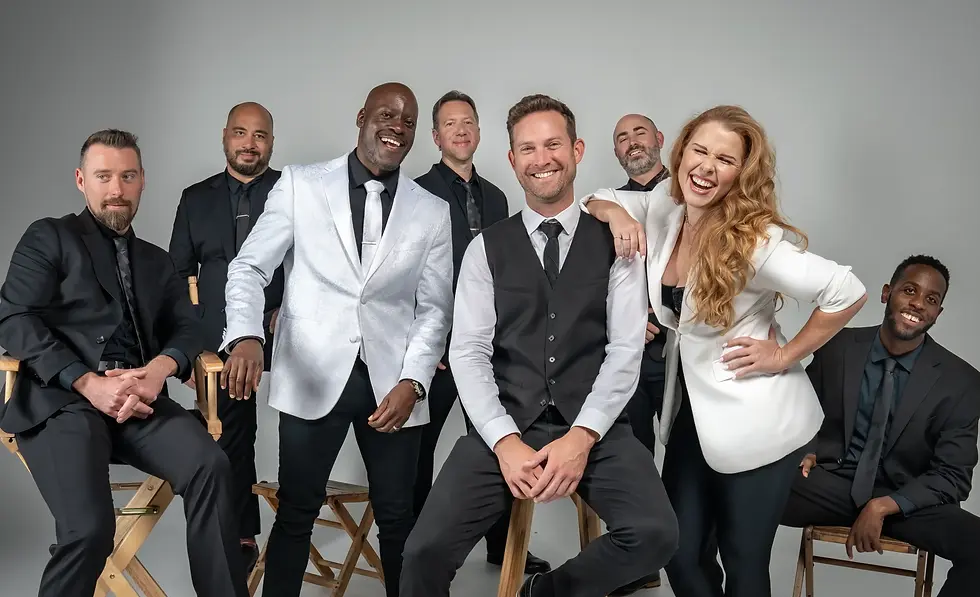
Uptown Drive, a live wedding band performing across Austin, Houston, Dallas, and San Antonio, builds set breaks and cues around this buffer logic on every wedding timeline it works from.
Group photos deserve their own buffer math: adding roughly 5 minutes per person in a group shot, rather than a flat 30-minute block, keeps portrait sessions from swallowing your cocktail hour.
If you've started building your wedding day schedule and stumbled across the term "30/5 rule," you're probably staring at a spreadsheet wondering how anyone gets a wedding to run on time. It's a fair question. Between hair and makeup, family photos, a ceremony, and a reception that has to flow from dinner into dancing without dead air, there are dozens of moving parts, and almost all of them touch a live band, DJ, photographer, or caterer at some point.
At Uptown Drive, we build our performance schedule directly off the couple's master timeline for nearly every wedding we play, and the 30/5 rule shows up in some form on almost every one of them. As of 2026, this concept has spread widely on social media and wedding-planning blogs, but the underlying advice, build in more time than you think you need, has been standard practice among experienced planners for years.
This guide resolves the conflicting definitions floating around online, walks through a full worked timeline with buffers clearly marked, and covers what to do when the standard 5-minute gap simply isn't enough, whether that's for a large bridal party photo or a venue with a tricky transportation setup.
What Is the 30/5 Rule for Weddings?
The 30/5 rule for weddings is a timeline-planning guideline stating that tasks which normally take 5 minutes, like buttoning a dress, pinning a boutonniere, or walking to a car, will typically take about 30 minutes on your wedding day. The rule exists because wedding-day tasks involve extra clothing, group coordination, and heightened emotion that slow everything down.
Specifically, this version of the rule functions less as a hard formula and more as a mental multiplier. If getting dressed takes you 5 minutes on a Tuesday morning, budget 30 minutes for it on your wedding day, factoring in a fitted gown, a buttoned suit, last-minute alterations, and a photographer who wants a few candid shots of the process.
A second, equally common interpretation flips the numbers into a scheduling structure rather than a multiplier. Under this version, planners assign 30-minute blocks to major wedding-day segments, such as the ceremony, cocktail hour, or dinner service, and then insert 5-minute buffers between each block for transitions like moving guests between rooms or cueing music.
Both interpretations solve the same problem: they prevent a 15-minute delay in hair and makeup from snowballing into a reception that starts 45 minutes late. As a live wedding band that has performed hundreds of receptions across Texas, we can tell you that a tight morning schedule is the single biggest predictor of whether the first dance happens on time.
How Do You Apply the 30-Minute Buffer to Major Wedding Events?
Applying the 30-minute buffer means scheduling 30 minutes for activities that would otherwise seem quick, such as hair touch-ups, travel between venues, or family formal photos, so that unexpected delays don't push back the rest of the day. This buffer specifically targets tasks with high variability, where the actual time needed depends on group size, venue layout, and last-minute problems.
For example, a commonly cited sample schedule blocks hair, makeup, and getting dressed from 8:00 a.m. to 10:00 a.m., which already includes small buffers for touch-ups and outfit changes within that two-hour window. That same structure often schedules a shorter ceremony-adjacent ritual, like a family tea ceremony, in a 35-minute window from 10:00 a.m. to 10:35 a.m., and dedicates a full hour, from 11:00 a.m. to noon, purely for travel to the ceremony venue.
Post-ceremony portraits typically get a 35-minute block, followed by a 60-minute cocktail hour that doubles as a buffer for the couple's own vendor handoffs. Additionally, the reception's structured segments, introductions, speeches, cake cutting, and the first dance, each receive their own 30-minute or shorter allotment rather than blending into one long undefined block.
The pattern holds across formats: whenever a task involves changing locations, coordinating multiple people, or waiting on hair, makeup, or wardrobe, a 30-minute window absorbs delays that a tighter 10 or 15-minute slot would not.
How Do 5-Minute Buffers Work Between Wedding Transitions?
Five-minute buffers are short gaps inserted between wedding-day segments to cover quick transitions, such as gathering the wedding party for photos, cueing ceremony music, or handing off responsibilities between vendors. Unlike the 30-minute blocks used for full activities, these buffers exist specifically for the seams between events, not the events themselves.
Common places for a 5-minute buffer include moving guests from the ceremony area to cocktail hour, cutting from cocktail hour into the reception room, and the brief pause between the last speech and the first dance. As a result, these buffers give your caterer, photographer, and band a few minutes to reset lighting, sound, and staging without holding up the room.
At Uptown Drive, our stage setup and sound checks are timed against exactly this kind of gap. A 5-minute buffer before the first dance gives our vocalist time to confirm the cue with the DJ or emcee handoff, so the room never sits in silence waiting for music to start. For couples working with live wedding bands generally, this is the single most useful thing to communicate clearly on your written timeline: which transitions get a hard 5-minute buffer, and which need more.
Notably, a 5-minute buffer is not always enough. Large guest counts, multi-story venues, or outdoor ceremony sites with a walk to the reception tent often need 10 to 15 minutes instead, which is where couples run into trouble if they copy a generic timeline template without adjusting for their specific venue.
What Is the 50/20/30 Rule for Weddings?
The 50/20/30 rule for weddings is a budget-allocation guideline, distinct from the 30/5 timeline rule, that suggests dividing wedding spending into roughly 50 percent for reception costs (venue, catering, and bar), 20 percent for photography and entertainment, and 30 percent for everything else, including attire, flowers, and stationery. It answers a spending question, not a scheduling question.
Couples researching wedding-day logistics sometimes conflate the two rules because both use round numbers and both aim to prevent overspending, whether that's overspending money or overspending time. But the 30/5 rule is exclusively about pacing your wedding day schedule, while the 50/20/30 framework is about how you divide your overall budget across vendor categories.
According to a 2026 real weddings industry study from some providers, couples spent an average of $34,000 on their wedding in 2026, or $292 per guest, with an average of 13 wedding professionals hired per event. Zola's 2026 First Look Report puts the national average even slightly higher at $36,000 for 2026 weddings. In Houston specifically, The Wedding Report estimated a considerably lower average cost of $17,435 and a median of $9,516 for 2026, with typical guest counts between 84 and 94.
Whichever budget percentages you use, entertainment and music consistently rank as one of the categories couples say most affects how the night feels in hindsight, which is a separate consideration from how you time the day itself.
What Color Is the Groom's Mom Supposed to Wear?
There is no fixed rule dictating what color the groom's mother must wear to a wedding, though wedding etiquette generally advises against wearing white, ivory, or any shade that could compete with the bride's dress. Traditionally, the bride's mother selects her dress color first, and the groom's mother coordinates with that choice, often choosing a complementary tone rather than an identical one.
In practice, most wedding parties simply ask both mothers to avoid white and to loosely match the wedding's color palette. Jewel tones, deep blues, and muted metallics are common choices for both mothers at formal receptions, especially at evening events with a live band and dancing where a longer dress or gown fits the room's energy.
This etiquette question isn't part of the 30/5 timeline rule directly, but it connects to the same planning logic: family attire coordination is exactly the kind of detail that can eat into your getting-ready buffer if it isn't settled weeks in advance. Confirming colors and finalizing alterations before wedding week keeps that 30-minute getting-dressed block from turning into an hour.
Is $300 a Generous Wedding Gift?
A $300 wedding gift is generally considered generous to very generous by most current gift-giving guidance, particularly for a single guest rather than a couple attending together. According to industry data from some providers, couples in 2026 spent an average of $292 per guest hosting their wedding, and many etiquette sources suggest gift amounts loosely in that range as a benchmark for close friends or family.
Guests attending as a couple, or those who are especially close to the bride or groom, sometimes give more, while acquaintances or those attending a large wedding with 150 or more guests often give less. Local wedding costs matter too: a guest attending a wedding in a lower-cost market like Houston, where The Wedding Report's 2026 data shows an average total wedding cost of $17,435, may reasonably scale a gift differently than a guest attending a $34,000 average-cost wedding elsewhere.
Regardless of the exact figure, thoughtfulness and the strength of the relationship matter more than hitting a specific dollar target.
What Should a Mother of the Bride Not Do?
A mother of the bride should generally avoid wearing white or any color that visually competes with the bridal gown, avoid making major decisions without consulting her daughter, and avoid inserting herself into vendor logistics that the couple or their planner have already finalized. These are the most commonly cited etiquette missteps at modern weddings.
Beyond attire and decision-making, mothers of the bride are frequently advised against monopolizing the microphone during toasts, arriving late to hair and makeup, or pressuring the couple about guest list additions close to the date. Timeline-wise, arriving late for the getting-ready block is a common way a family member unintentionally erodes the very 30-minute buffer built in for exactly this kind of delay.
On the positive side, mothers of the bride who show up early, stay flexible with the schedule, and support the couple's decisions on vendors and music tend to be remembered as the ones who made the day easier, not harder.
What Does the 30/5 Rule Look Like Applied to a Full Wedding Timeline?
A fully applied 30/5 wedding timeline separates every activity's actual duration from its surrounding buffer time, so couples can see exactly how much of the schedule is "doing" time versus "cushion" time. Below is a representative timeline structure based on commonly used wedding-day frameworks, adapted for a mid-afternoon ceremony with an evening reception featuring a live band.
Time Block | Activity | Duration | Buffer Type |
8:00 a.m. to 10:00 a.m. | Hair, makeup, getting dressed | 2 hours | Includes 5-minute touch-up and outfit-change buffers |
10:00 a.m. to 10:35 a.m. | Family or cultural pre-ceremony ritual | 35 minutes | 30-minute activity plus 5-minute cushion |
11:00 a.m. to 12:00 p.m. | Travel to ceremony venue | 1 hour | 30-minute buffer built into drive time |
12:40 p.m. to 1:15 p.m. | Post-ceremony formal photos | 35 minutes | 30-minute activity plus 5-minute cushion |
1:30 p.m. to 2:30 p.m. | Cocktail hour | 1 hour | Doubles as vendor and band setup buffer |
2:35 p.m. to 3:05 p.m. | Introductions and speeches | 30 minutes | 5-minute buffer before cake cutting |
3:10 p.m. to 3:40 p.m. | Cake cutting | 30 minutes | 5-minute buffer before first dance |
3:45 p.m. to 4:15 p.m. | First dance and open dance floor | 30 minutes | Band or DJ handoff buffer follows |
Notice that the 5-minute buffers rarely stand alone as empty blocks. Instead, they're absorbed into the surrounding activity window, which is exactly why so many couples misread the rule and assume it means doubling every single task to a full 30 minutes. It doesn't. The 5-minute figure describes the transition cost, not a mandatory standalone slot on the printed schedule.
For weddings with a live band handling both ceremony music and reception sets, we recommend reserving one additional 30-minute block purely for the couple, ideally right after formal photos and before cocktail hour starts, so you can eat something and catch your breath before the room fills up.
How Should You Calculate Time for Wedding Group Photos?
Calculating time for wedding group photos means adding roughly 5 minutes per person included in the shot, rather than assigning one flat 30-minute block for all portrait sessions combined. This per-person method scales more accurately than a fixed time slot because group photo delays come almost entirely from gathering, arranging, and re-taking shots with more people involved.
For example, a shot list with six people, the couple plus two sets of parents, might realistically take 10 to 15 minutes once you include arranging everyone and re-shooting a blinking eye. A full bridal party shot with 14 people, however, can easily take 25 to 30 minutes once you factor in coordinating that many people to stand still and look at the camera simultaneously.
Specifically, we suggest building your formal photo list in this order: immediate family first, extended family second, wedding party third, and couple-only portraits last, since this sequence lets people leave for cocktail hour as soon as their section wraps rather than waiting through the entire session. This structure also protects your cocktail hour, which is frequently the first block sacrificed when photos run long.
A photographer who has shot in your specific venue before will usually give a more accurate per-group estimate than a generic online calculator, so ask for their honest read on your particular shot list before finalizing the timeline.
How Do You Coordinate a 30/5 Timeline With Your Vendors and Wedding Party?
Coordinating a 30/5 timeline with vendors means creating one master schedule, distributing it in writing to every vendor and key wedding-party member, and rehearsing the highest-risk cues in advance, particularly the ceremony processional and the first dance handoff. This step turns a personal planning document into a shared operational plan.
First, build the master timeline with your venue coordinator, since they know the room turnover time between ceremony and reception better than any outside planner. Additionally, share that finalized document with your photographer, caterer, DJ or band, and officiant at least two to three weeks before the wedding, not the morning of.
For couples working with wedding musicians in Austin or any live band, the highest-value coordination moment is the reception entrance sequence: confirming exactly who cues the band, how much lead time the vocalist needs before announcing the couple, and what happens if the timeline slips by 10 minutes. At Uptown Drive, we walk every couple through this exact handoff during our pre-event planning call, because a band that's improvising cues on the fly is the fastest way to lose the room's energy right when it matters most.
Second, identify your two or three highest-risk transitions, typically ceremony-to-cocktail-hour and cocktail-hour-to-dinner, and assign a specific person, usually the planner or maid of honor, to physically move guests along rather than assuming it happens automatically.
What Are the Other Interpretations of the 30/5 Rule?
Beyond the timeline-buffer definition, two other interpretations of the "30/5" phrase circulate in wedding planning content, and couples should know which one a given source is using before applying the advice. Specifically, confusing these three definitions is the most common source of frustration when researching this topic online.
The first alternative interpretation caps travel time between the ceremony and reception venues at 30 minutes and limits guest wait time before drinks, music, or seating begins to 5 minutes. This version functions more as a venue-selection and hospitality guideline than a scheduling framework, and it's most relevant if you're choosing between two ceremony locations at different distances from your reception site.
The second alternative ties "30" to budget allocation, suggesting 30 percent of total spending go toward top-priority categories, while "5" refers to dividing planning attention or spending across five categories: venue, catering, photography, attire, and entertainment, with entertainment sometimes cited around 5 percent of the total budget. This version overlaps conceptually with the 50/20/30 budgeting framework covered earlier, but uses different percentages and category groupings.
As a result, if you see "30/5 rule" referenced without further explanation, check whether the source is discussing pacing, travel logistics, or budgeting before applying its advice to your own planning.

What Mistakes Do Couples Make When Applying the 30/5 Rule?
The most common mistake couples make when applying the 30/5 rule is treating every single task as automatically requiring 30 minutes, which inflates the entire wedding day into an unmanageably long schedule. The rule targets variable, delay-prone tasks specifically, not every item on the checklist.
A second frequent error is leaving 5-minute buffers empty on the printed schedule rather than absorbing them into the surrounding block, which confuses vendors reading the timeline and makes the document harder to follow on the actual day. Third, many couples underestimate transportation buffers for venues without on-site parking, guests with mobility needs, or multi-location weddings involving a separate ceremony and reception site.
Here are the adjustments we recommend most often:
Reserve extra buffer, 10 to 15 minutes rather than 5, for any transition involving guest movement between buildings or floors.
Build group photos using the per-person calculation rather than one flat block, as covered above.
Confirm your venue's actual room-turnover time with the coordinator rather than assuming a standard 30 minutes covers ceremony-to-reception flips.
Share the finalized timeline with every vendor at least two weeks out, and rehearse the ceremony processional and reception entrance specifically.
Add one unstructured 30-minute block purely for the couple, positioned after photos and before guests arrive at the reception.
Skip generic timeline templates pulled from a single blog post if your wedding involves a cultural ceremony, a multi-venue format, or a large bridal party. Those formats need custom buffer math, not a copy-paste schedule built for a standard church-to-ballroom wedding.
How Do Corporate Events Use Similar Timeline Buffers?
Corporate events use a similar buffer logic to weddings, though the specific pressure points shift toward registration, executive remarks, and entertainment transitions rather than ceremony processionals. A corporate gala or holiday party still benefits from 30-minute blocks around cocktail hour and dinner service, with 5-minute buffers between speaker handoffs and entertainment segments.
Houston's event and hospitality market has grown substantially heading into 2026: Houston First reports the metro area welcomed roughly 90.1 million visitors in 2026 and generated $16.2 billion in travel spending, with strong Q1 2026 downtown hotel performance showing average daily rates up 8 percent year over year. That kind of demand means corporate planners booking galas, holiday parties, and conferences in Houston are competing for the same venues and vendors couples are booking for weddings, which makes a tight, well-communicated timeline even more valuable.
Uptown Drive performs corporate events across corporate bands Houston clients rely on for galas and holiday parties, and we apply the same buffer principles: confirm the exact minute an executive's remarks end, build a 5-minute sound and lighting reset before the band starts, and always have a backup cue in case leadership runs long. Planners managing budget approval for corporate event entertainment should treat the entertainment handoff exactly like a wedding's first-dance moment: it's the highest-visibility transition of the night, and it deserves its own line on the timeline.
Frequently Asked Questions
What timeline template options are available for organizing events?
Most event and wedding timeline templates fall into three formats: a simple hour-by-hour spreadsheet, a color-coded master timeline shared across vendors, and a run-of-show document used specifically for entertainment and speaker cues. For weddings and corporate events with a live band, the run-of-show format works best because it lists exact handoff moments rather than just block times.
What are the best timeline templates for organizing events?
The best timeline templates separate activity duration from buffer time clearly, so vendors can see at a glance which blocks are flexible and which are fixed anchor points, like a ceremony start time or a headline entertainment set. A strong template also lists a single point of contact for each transition, such as the planner, coordinator, or band leader, rather than leaving cues ambiguous.
What is the most popular mother-son wedding dance song?
There's no single universally agreed-upon most popular mother-son dance song, since preferences shift by generation and musical taste, but classic ballads and modern R&B tracks both remain common requests at live band weddings. Couples booking a live band typically have far more flexibility here than those using a fixed DJ playlist, since a band can learn a specific song request ahead of time rather than relying on a pre-recorded version.
What do wedding bands cost?
Wedding band costs vary widely based on band size, performance length, travel distance, and market, and pricing for a full live band is generally higher than hiring a DJ due to the number of professional musicians involved. Specific pricing for Uptown Drive is available upon request through the contact page, where the team provides a custom quote based on your date, location, and event size.
What is live band karaoke?
Live band karaoke is an interactive entertainment format where guests sing along to a full professional backing band instead of a pre-recorded karaoke track, turning a typical sing-along moment into a headline-style performance experience. Uptown Drive offers live band karaoke as an optional add-on for weddings and corporate events, and it typically works best scheduled later in the reception once the dance floor is already warmed up.
What online tools provide information on cover songs performed in country setlists during 2026?
Most live bands, including Uptown Drive, maintain their own repertoire lists and take custom song requests directly from clients rather than relying on third-party setlist databases. If you have specific country songs you want performed at your Texas wedding or event, the most reliable approach is submitting your request list directly to your band during the planning process rather than searching general online setlist archives.
How far in advance should you book a live wedding band in Texas?
Most experienced Texas wedding bands recommend booking 12 to 18 months ahead of peak season dates, which typically run from April through June and September through November. Popular Austin, Houston, Dallas, and San Antonio dates during these windows fill up fastest, so couples planning a wedding for these months in 2026 or 2027 should start vendor conversations early.
Does Uptown Drive travel outside of Texas for weddings?
Yes, Uptown Drive travels nationally for destination weddings and corporate events, including markets like Denver wedding bands clients regularly book for Colorado celebrations. Out-of-state couples typically coordinate logistics, including travel and setup timing, through an initial planning call before the event date is confirmed.
Final Thoughts on the 30/5 Rule for Weddings
The 30/5 rule for weddings, at its core, is a buffer-planning habit: treat quick tasks as slow ones, and give every transition a few minutes of breathing room. Whether you apply the 5-minutes-becomes-30-minutes multiplier, the block-and-buffer scheduling method, or the more general goal of building slack into your day, the outcome is the same. A wedding that runs close to its printed timeline feels calmer for the couple, the family, and every guest watching the clock over dinner.
In 2026, with average U.S. wedding costs sitting near $34,000 to $36,000 and an average of 13 vendors coordinating a single event, per some providers and Zola, the margin for error on a poorly buffered timeline has never been smaller. Getting the schedule right protects the investment you've already made in every other vendor.
At Uptown Drive, timeline coordination is part of how we approach every wedding and corporate event we play, from the ceremony processional to the last song of the night. If you're planning a Texas wedding and want a band that treats your schedule with the same care as your song list, get started with Uptown Drive and request a quote today.

A well-built timeline is only half the equation; the other half is a band that knows how to read the room once the schedule hits the reception floor. That's exactly where Uptown Drive steps in, keeping the energy high whether the first dance starts on cue or ten minutes behind. Reach out to check availability for your wedding date and see how the band fits into your own 30/5 timeline.
Written by Greg Williams, Owner & Band Leader at Uptown Drive
Content powered by inkSTR.co


Comments