
Corporate Gala Live Music: Turn Networking Into Memorable Events
- gregwilliams010
- May 6
- 19 min read

Corporate gala live music is a strategic entertainment choice that uses professionally performed, live instrumental and vocal music to shape the social atmosphere at business events, galas, award ceremonies, and corporate celebrations. Unlike a DJ or background playlist, a live band creates real-time, human energy that shifts the room's mood, lowers social guards, and gives strangers an immediate shared conversation topic. In 2026, with the global live music market generating record-breaking revenue according to iMusician's industry research, corporate planners are leaning harder than ever into live performance as a differentiator that audiences simply cannot get from a curated Spotify playlist.
Live music at corporate galas functions as a social lubricant, using tempo, volume, and genre to encourage conversation, reduce professional formality, and build genuine connections across departments and hierarchies.
A structured music timeline matters more than the setlist itself. Cocktail hours, dinner service, awards presentations, and post-awards dancing each require different tempos, volumes, and ensemble configurations to serve the room's needs.
Budget range for professional cover bands runs between $1,500 and $5,000 for corporate events, while full production live bands with a 6-10 piece configuration command premium investment that delivers proportionally higher guest impact.
A minimum stage footprint of 16 feet by 12 feet is required for a full live band setup at most corporate venues, making early venue consultation essential for ballrooms, rooftop terraces, and historic properties.
ROI from live entertainment is measurable through post-event surveys, social media impressions generated by live performances, and client retention metrics tracked from gala attendance.
Acoustic challenges in ballrooms, rooftops, and convention centers are solvable but require pre-event site visits and specific microphone, monitoring, and speaker placement strategies that differ by venue type.
Corporate events have evolved well past catered dinners and slideshow presentations. Today's event planners, especially those organizing annual galas in Austin, Dallas, Houston, and San Antonio, face an audience with higher entertainment expectations than a decade ago. Employees and clients arrive at corporate events having recently attended live concerts, festival experiences, and high-production private parties. A DJ running a playlist no longer signals investment or care.
The shift is also psychological. Research into how music affects social behavior consistently points to one finding: live performance creates shared emotional experiences that recorded music cannot replicate with the same intensity. When a frontman makes eye contact with a table during a soul ballad or a brass section erupts into a funk groove between award presentations, the room responds as a unit. That collective response is the foundation of genuine networking. At Uptown Drive, we see this pattern at nearly every corporate gala we perform: the conversations that turn into business relationships usually start on or near the dance floor, not in the seat-assigned dinner portion of the evening.
This guide covers the psychology behind live music as a networking tool, practical timeline structures for corporate galas, how to brief your band on brand identity, acoustic considerations by venue type, and a clear framework for measuring the return on your entertainment investment.

What Music Should You Play at a Corporate Event?
Corporate event music refers to the curated sequence of musical styles and tempos strategically matched to each phase of a gala's timeline. The right music choice is not about picking popular songs: it is about matching sonic energy to what the room needs socially and emotionally at each moment. At Uptown Drive, the framework we apply follows four distinct phases, each with its own musical logic.
Cocktail Hour (typically 6:00 PM to 7:00 PM): This phase calls for instrumental jazz, soft soul, or acoustic pop played at a conversational volume, roughly 70-75 decibels at the listening position. The goal is not to impress, it is to ease tension. Guests arriving at a business event carry professional armor. Soft, melodic music lowers that armor without forcing anyone to pay attention. Specifically, standards from Stevie Wonder, John Mayer's acoustic catalog, or classic Bossa Nova arrangements work well because the melodies are familiar enough to feel welcoming without demanding focus.
Dinner Service (7:00 PM to 8:30 PM): Volume stays low, but the repertoire broadens slightly to include recognizable classics that prompt quiet recognition and table conversation. The Beatles, Marvin Gaye, and contemporary artists like John Legend sit well here. Avoid high-energy or loud arrangements during dinner. Nothing kills conversation faster than a six-piece band playing at full volume while guests try to discuss Q3 results.
Awards and Presentations (8:30 PM to 9:30 PM): This is where the concept of musical "stingers" becomes critical. Stingers are short, high-impact musical cues, typically 8-15 seconds, played as each award winner is announced and walks to the stage. A stinger replaces recorded walk-up music with something live, dynamic, and customizable to the winner's known personality or the award's theme. A well-executed stinger generates genuine applause and turns a routine handshake moment into a memory.
Post-Awards Dance Party (9:30 PM to 11:00 PM): Energy escalates deliberately. Classic rock transitions to current pop, with the band reading the room and adjusting setlist order based on who is dancing and who has moved to the bar. For product launches requiring high-energy buzz, a band of 6-8 members generates sufficient sound and stage presence to fill a large ballroom. For more intimate award dinners, a tighter four or five-piece configuration maintains sophistication without overwhelming the space.
How Much Do Musicians Charge for Corporate Events?
Corporate event musician pricing is determined by ensemble size, performance duration, geographic market, travel requirements, and the band's professional credentials. Pricing varies widely, but the verified benchmarks from the current market give you a useful framework for budget planning.
Entertainment Type | Typical Price Range | Best For | Key Limitation |
Solo Musician (piano, guitar, sax) | $300 to $800 | Cocktail hours, small breakfasts, lobby ambiance | Limited dynamic range, cannot shift energy for dancing |
DJ Service | $500 to $2,000 | Budget-conscious events, late-night dance sets | No live energy, generic crowd experience |
Cover Band (3-4 piece) | $1,500 to $5,000 | Mid-size company parties, holiday gatherings | Smaller sound, limited repertoire breadth |
Full Production Live Band (6-10 piece) | $5,000 to $15,000+ | Corporate galas, award dinners, client entertainment | Requires larger stage, longer sound check window |
Celebrity/Headline Act (via booking agency) | $50,000 to $200,000+ | Major corporate milestones, large-scale conferences | Complex logistics, rider requirements, lead time |
The mid-cap touring bracket, defined as the $50,000 to $200,000 guarantee range, typically supports a touring crew of 8 to 18 people and fills theaters and small arenas. This context matters for corporate planners because it calibrates expectations: a professional full-production band for your gala is delivering the same caliber of musicianship and professionalism found in that bracket, simply packaged for a private event setting rather than a public concert.
Budget approval for corporate entertainment often hits resistance from finance teams who see music as a luxury line item. The counter-argument is straightforward: a live band is the only entertainment element that works simultaneously across all phases of your event. It provides cocktail ambiance, dinner atmosphere, awards energy, and dance-floor momentum without requiring four separate vendors or four separate budget lines. When you factor in the combined cost of a DJ, a cocktail-hour solo musician, and production audio for your awards segment, a full-service live band frequently represents better per-hour value.
For corporate galas in Austin and Dallas specifically, Uptown Drive's 6-10 piece configuration covers all four timeline phases under a single agreement, with dedicated sound engineering included. That consolidation eliminates coordination risk. Austin corporate bands operating at this production level carry all necessary general liability insurance, equipment, and professional audio gear, which many venues require as a condition of their preferred vendor list.

Why Does Live Music Turn Corporate Networking Into Real Relationships?
Live music at corporate galas functions as a psychological catalyst for social bonding, operating through mechanisms that recorded music simply cannot replicate at the same intensity. Understanding the "why" behind this effect helps you make better decisions about set pacing, volume levels, and genre sequencing for your specific guest demographic.
First, the neuroscience: live musical performance triggers the release of oxytocin, a neuropeptide associated with trust and social bonding, more effectively than recorded music, particularly when listeners can see the performers and feel the physical sound pressure of live amplification. This is not a marginal effect. A 2016 study published in Frontiers in Psychology found that live musical performance produced measurably stronger synchronization of physiological responses among audience members than recorded playback. Synchronized physiological responses, heartbeats and breath patterns converging across strangers, are a biological precursor to perceived social closeness. In a corporate context, that translated closeness accelerates the kind of trust-building that normally takes multiple meetings.
Second, the social architecture benefit: live music gives strangers a low-risk shared reference point. Two executives who have nothing obvious in common can both comment on the band's cover of a classic Talking Heads song. That shared observation bypasses the awkward professional-introduction phase and enters immediately into the conversational rhythm of genuine acquaintance. The band's frontman working the crowd, inviting call-and-response, or physically moving through the room creates spontaneous interactions that a DJ console, positioned 30 feet away and largely invisible, cannot produce.
Third, tempo and volume directly affect conversation willingness. Research on background music in social settings consistently shows that moderate tempos (around 94-120 beats per minute) and moderate volumes (70-80 decibels) produce the highest rates of spontaneous conversation initiation. Both parameters are precisely adjustable with a live band in ways they are not with a DJ, who typically cannot fine-tune volume to the same granular degree without affecting the perceived energy of the room.
For conferences and seminars specifically, a string trio or jazz quartet during break periods creates a refined yet conversational atmosphere that encourages attendees to linger near networking areas rather than retreating immediately to their phones. That lingering time is where meaningful professional connections actually form.
What Entertainment Is at a Gala Dinner? A Complete Format Guide
Gala dinner entertainment refers to the full spectrum of performance, presentation, and experiential elements that fill the non-dining portions of a formal corporate celebration. Live music anchors the structure, but the most successful galas in Austin, Houston, and Denver integrate live performance with several complementary elements.
The Core Live Music Framework
The most effective corporate gala live music structure uses three configurations across the evening. A smaller acoustic or jazz ensemble covers the cocktail and dinner phases. The full band activates for awards presentation stingers. The complete lineup drives the post-awards dance set. This three-phase configuration prevents the common gala problem of early-evening sensory overload, where full-band energy during dinner forces guests to shout across the table.
For award ceremonies, the stinger concept deserves specific attention. A stinger is a live musical cue of 8-15 seconds, performed in real time by the band as each recipient's name is called. Effective stingers are personalized: a retiring CFO known for her love of classic rock gets a four-bar Fleetwood Mac hit; a sales leader who references hip-hop in every meeting gets a horn-section punctuation from a recognizable rap intro. This level of personalization requires a pre-event briefing, but the payoff in room energy is considerable.
Complementary Entertainment Elements
Beyond the band itself, galas with the highest guest satisfaction scores typically incorporate two or three complementary elements. Live band karaoke, where guests perform with a full professional backing band rather than a recorded track, consistently generates the highest social media engagement of any corporate entertainment format. It also eliminates the demographic divide: a 58-year-old VP and a 26-year-old analyst can both find a song they want to perform, and the shared absurdity creates genuine cross-hierarchical bonding.
For vintage themes or masquerade balls, a jazz band is the purpose-built choice. The instrumentation and repertoire align naturally with formal dress codes and art-deco aesthetics in ways a rock band cannot. When the visual design of a gala includes feathered centerpieces and 1920s architectural references, matching the music to the era produces a coherent sensory experience that guests remember as a whole rather than as disconnected elements. The team at Fiore Designs covers how décor and entertainment work together in depth, and their framework for thematic coherence applies directly to music selection.
The Hybrid and Virtual Dimension
In 2026, many corporate galas include a hybrid component, streaming live segments to remote employees or international offices. Live music translates surprisingly well to a live stream when mixed correctly, but it requires a dedicated audio mix for the stream output separate from the room mix. A competent live band's sound engineer can handle this with advance notice, but it must be planned: the room mix optimized for 200 in-person guests will clip and distort on a laptop speaker if routed directly to the stream without a separate, compressed channel.
The sustainability dimension also matters for 2026 galas. Flying in a headline act from another city generates a measurable carbon footprint, both in private or commercial travel and in the equipment shipping associated with large touring productions. Local talent at the production level of, for example, corporate event entertainment specialists based in your market delivers equivalent live energy with a fraction of the logistical and environmental overhead. Regional bookings also tend to carry lower travel costs and faster availability windows, both practical advantages during compressed planning timelines.

How to Brief Your Band on Your Company's Brand Identity
A music brief is a written or verbal document that communicates your company's culture, values, event theme, and audience demographics to your entertainment team before the performance. Most corporate event planners skip this step entirely, which is why so many galas feel like the band could have been booked for anyone. A strong music brief transforms a competent performance into an on-brand experience.
The Five Elements of an Effective Music Brief
1. Company culture descriptor: Is your organization formal and traditional, or casual and irreverent? A law firm's annual gala calls for different energy than a tech startup's company-wide celebration, even at identical guest counts and venue tiers. Tell your band which direction your culture sits, and give them a concrete example: "We're the kind of company where the CEO does the Ice Bucket Challenge at the holiday party" communicates more than "we have a fun culture."
2. Guest demographic range: Provide a rough breakdown of age ranges and seniority levels. A band covering classic rock to current pop needs to know whether 60% of your room is over 50 or whether you have a multiGenerational mix where entry-level employees in their mid-20s significantly outnumber senior leaders. This affects setlist sequencing, not just song selection.
3. Non-negotiable song requests and avoids: Every company has a song that means something specific to its culture, and most have one or two songs that would land badly for reasons only insiders understand. A company that recently went through a difficult merger does not need "Under Pressure" as a stinger. Share both lists explicitly.
4. Award winner profiles: For the stingers, provide the band with a brief one-line personality note for each award recipient. "Reserved, classical music background, retires next year" produces a completely different stinger choice than "outgoing, known for organizing the office lip sync competition."
5. Timeline and transition cues: Give the band your full run-of-show document with the exact times for speeches, presentations, and transitions. A professional live band will mark their own copy and coordinate with your emcee or AV team independently. But they need the document to do so. If your program is still being finalized two days before the event, share the latest version: a good band adjusts. What they cannot adjust to is being handed a new timeline at sound check with no prior context.
At Uptown Drive, we request the music brief at least two weeks before the event date. That timeline gives our team enough lead time to arrange any specific requests, rehearse custom stingers, and coordinate with your venue's production team. If you are looking for a starting point on how to structure your brief, our guide to booking a band for a party walks through the full planning framework in practical detail.
What Acoustic Challenges Should You Expect at Common Gala Venues?
Gala venue acoustics refers to the physical properties of a room that determine how sound travels, reflects, and dissipates during a live performance. Acoustic conditions vary dramatically between venue types, and ignoring them is the most common reason otherwise excellent live performances sound muddy, too loud, or echoey at corporate events.
Hotel Ballrooms
Hotel ballrooms are the most common corporate gala venue and among the most acoustically challenging. Hard floors, high ceilings, and parallel reflective walls create flutter echo, a rapid back-and-forth reflection that smears the sound of live music into an unintelligible wash at high volumes. The solution is strategic speaker placement rather than turning the PA up louder. A professional live band's sound engineer will deploy delay speakers toward the back of the room, keeping the main PA cluster at a volume appropriate for the front two-thirds of the space. Acoustic panels, often available as rentals through event production companies, help significantly in large rectangular ballrooms without drapes or soft furnishings.
Rooftop Terraces
Rooftop venues in urban markets like Austin, Houston, and Dallas are increasingly popular for warm-weather corporate events. Outdoors, sound disperses rapidly, which means bands need more amplification to achieve equivalent volume, and wind can destabilize microphone signals. Request a full PA system with cardioid speaker arrays pointed toward the audience rather than general-purpose speakers aimed at the open sky. For outdoor Austin venues specifically, Hill Country wind patterns in spring and fall months can drop in rapidly; a band with proper directional microphone setups and experienced sound engineering handles this with minimal disruption.
Historic Buildings and Converted Spaces
Historic ballrooms and converted warehouse venues combine charm with acoustic unpredictability. Stone and brick walls reflect high frequencies harshly. Low ceilings in smaller historic spaces can create standing waves that make certain bass frequencies uncomfortably loud at specific seating positions. A pre-event site visit between your band's sound engineer and the venue's AV contact is not optional for these spaces: it is the difference between a performance that sounds professional and one that has guests moving to the perimeter to escape the bass.
Convention Centers
Convention centers are acoustically the most manageable option because most are purpose-built with adjustable sound baffles and experienced in-house AV teams. The challenge is scale: a 20,000 square foot convention ballroom requires substantially more speaker power and a larger PA system than a hotel ballroom of equivalent capacity. Confirm with your band that their in-house PA system is rated for your room size, or confirm that the convention center's house system can be patched into the band's setup.
For any of the venue types above, a minimum stage area of 16 feet by 12 feet is required for a full live band setup. Many historic venue and rooftop venues have fixed architectural constraints that reduce available stage footprint. Confirm stage dimensions during your initial venue walkthrough, not the week before the event.
How Do You Measure the ROI of Live Music at a Corporate Gala?
Return on investment for corporate gala live music is measurable through a combination of quantitative post-event metrics and qualitative indicators collected from attendees and stakeholders within 48 hours of the event. Most event planners skip this measurement step, which is why entertainment budgets remain the first line item cut during planning cycles. Quantifying the impact changes that conversation.
Post-Event Survey Metrics
Deploy a brief post-event survey, five to seven questions maximum, within 24 hours of the event. Specific questions to include: "How would you rate the overall entertainment experience?" (1-10 scale); "Did the entertainment make you more likely to attend next year?" (yes/no); "Did you meet at least two new colleagues or clients during the event?" (yes/no, with an open field for names). The third question directly correlates networking outcomes with entertainment quality when you segment responses by seating table versus dance floor engagement.
Social Media Impression Data
Live music generates organic social media content at a rate that recorded playlists and DJ sets simply cannot match. Guests photograph and video live performances compulsively, particularly during high-energy moments like brass section features, guest-requested songs, or karaoke segments. Track the number of event-related posts, stories, and reels using your event hashtag in the 48 hours following the gala. Compare this figure year-over-year against events that used a DJ. The delta in organic impressions represents earned media value that belongs on the entertainment ROI calculation.
According to Pollstar's Year-End 2026 data, the global concert gross reached $23.2 billion, approximately 37% above the 2019 pre-pandemic baseline. This growth reflects a broad cultural reassignment of value: people are choosing live experience over passive consumption at a historic rate. When your gala delivers a live performance worth sharing, it rides that cultural current. Your brand's association with that energy carries beyond the event room into your guests' professional networks.
Client Retention and Relationship Depth
For client-facing galas, track client attendance rates and, for key accounts, note the depth of relationship-building conversations that occurred. A simple post-gala email to your sales team asking them to log significant client conversations initiated at the event generates qualitative data that connects entertainment investment to relationship pipeline. Over two or three annual gala cycles, this data becomes meaningful enough to present to finance leadership as evidence that entertainment quality correlates with client retention outcomes.
You can read more about maximizing unique event entertainment ideas that generate measurable guest engagement in our extended resource on corporate event strategy.
How Do You Hire the Right Live Band for Your Corporate Gala?
Hiring a corporate gala live band is a six-step process that starts with defining your event's musical identity and ends with a confirmed contract that specifies performance duration, set times, equipment responsibilities, and contingency plans. Skipping any of these steps is how planners end up with a band that shows up 20 minutes before guests arrive and performs a set built for a wedding rather than a gala.
Define your timeline and phase structure before contacting any band. Know your room capacity, start and end times, whether you need a cocktail hour configuration separate from the main set, and whether you need award stingers. A band that hears a clear brief responds with a more accurate proposal.
Verify ensemble size against your venue's stage capacity. The 16 by 12 foot minimum is non-negotiable for a full production setup. If your venue has a smaller stage, ask the band whether a reduced configuration is available and what the sonic trade-offs are.
Review verified credentials, not just video clips. Polished demo videos can be recorded under controlled studio conditions that differ significantly from live event performance. Prioritize bands with verifiable review records, ideally from third-party platforms like WeddingWire or The Knot, where reviewers are authenticated event clients. Uptown Drive's nine consecutive WeddingWire Couples' Choice Awards and 250-plus five-star reviews represent verified, third-party performance history, not marketing copy.
Ask specifically about the Certified Original Lineup policy. Many booking agencies book your event with one group of musicians and substitute different performers on the day. Confirm in writing that the band you audition or review is the band that performs. This single contractual detail separates professional corporate entertainment vendors from middlemen.
Request a music brief intake session. If a band quotes you without asking a single question about your company, your guest demographic, or your event theme, they are performing a generic set. A band that asks you the right questions before committing to a setlist is demonstrating the professionalism your event requires.
Confirm contingency policies in writing. Ask directly: what happens if a band member cannot perform? A professional ensemble should have a clear substitution protocol that preserves the quality and size of the performance. Vague answers here are a red flag.
For corporate planners in Texas markets, Dallas corporate bands and corporate bands in Houston operate in distinct markets with different venue ecosystems and guest culture norms. A band with genuine multi-market experience across both cities navigates those differences naturally, rather than treating every corporate gala as a generic template.
If you are still researching options, the guide to finding the best corporate event bands in Austin breaks down the local market in detail and covers what to look for at different event sizes and budget tiers.
Frequently Asked Questions About Corporate Gala Live Music
What type of music works best for a corporate gala cocktail hour?
Jazz standards, soft soul, and acoustic pop played at a conversational volume of roughly 70-75 decibels work best during corporate gala cocktail hours. The goal is a familiar, melodic backdrop that eases social tension without demanding attention. Instrumental arrangements of artists like Stevie Wonder or bossa nova standards hit this register effectively. Avoid high-energy or lyric-heavy rock during cocktail periods: guests need to hear each other.
How far in advance should you book a live band for a corporate gala?
For corporate galas in major Texas and Colorado markets, booking your live band 6 to 9 months in advance is the safest approach for premium event dates including end-of-year holiday galas, spring award dinners, and fiscal-year kickoffs. Premium entertainment providers fill their corporate calendars quickly in Q4. For events with a confirmed date, securing entertainment before finalizing other vendor contracts ensures you have your anchor entertainment element before the planning process constrains your options.
What is the 3-minute rule in music, and does it apply to corporate events?
The 3-minute rule in music refers to the historical commercial standard for song length, originating from the constraints of 10-inch 78 RPM vinyl records in the early recording industry. In a corporate gala context, the concept translates practically: set transitions and individual songs should maintain momentum without testing listener patience. For cocktail-hour background music, shorter instrumental pieces or abbreviated arrangements maintain ambient energy without the repetitive structure of a full-length album track. Award stingers deliberately invert the rule, using 8 to 15 seconds of high-impact live music rather than a full song.
What entertainment typically appears at a gala dinner beyond live music?
Gala dinners typically combine live music with award presentations, keynote remarks, branded video content, and interactive entertainment elements such as live band karaoke, photo experiences, or mobile gaming activations. Live music anchors the event structure across all phases, while supplementary elements fill specific segments of the run-of-show. The most consistently successful galas in corporate settings use live music as the connective tissue between formalized program elements, maintaining energy and atmosphere during transitions that would otherwise feel flat.
Can a live band perform both the cocktail hour and the post-dinner dance set?
Yes. A professional full-service live band can cover all phases of a corporate gala including cocktail hour, dinner service, award ceremony stingers, and the post-awards dance set. This typically requires the band to configure in a smaller acoustic or jazz formation for the early phases and expand to their full lineup for the dance portion. The key logistical requirement is a confirmed sound check window of at least 90 minutes before guest arrival to stage, balance, and test all configurations. Confirm this window with your venue during the booking process.
How do you handle a hybrid gala where some attendees are watching the live performance remotely?
Hybrid gala live music requires a dedicated audio mix for the stream output, separate from the room mix. The room mix is optimized for in-person listening and will clip or distort on laptop speakers if routed directly to the stream. A competent live band's sound engineer creates a parallel compressed signal chain specifically for the streaming platform. This must be specified in your event brief and confirmed with the band's production team at least two weeks before the event. Budget an additional 30 to 60 minutes of sound check time to test the stream mix independently.
What should a corporate event music contract include?
A corporate event music contract should specify the performance date and venue address, setup and sound check start time, performance start and end times with all set breaks listed, ensemble size and the specific lineup of performers, equipment and PA system responsibilities (who provides what), overtime rates if the event runs long, contingency and substitution policies for illness or emergency, and deposit and final payment terms. Any custom services such as award stingers, branded song arrangements, or live band karaoke integration should be itemized separately with their associated additional fees clearly stated.
Make Your Next Corporate Gala a Genuine Experience
Corporate gala live music is the single entertainment investment that works across every phase of your event, from cocktail conversation to post-awards celebration. The psychology is clear: live performance builds shared experience in ways recorded music cannot. The logistics are manageable when you plan stage dimensions, acoustic conditions, and music briefs well in advance. And the ROI is quantifiable through post-event surveys, social media metrics, and client relationship tracking.
The competitive benchmark has risen in 2026. According to Pollstar's verified data, global concert gross reached $23.2 billion in 2026, reflecting a cultural baseline where guests arrive at your gala already accustomed to high-quality live performance. Meeting that expectation requires a band with genuine professional credentials, a flexible repertoire built for corporate event phases, and a team willing to do the pre-event work of learning your brand identity and your guest demographic.
The timeline structure, the music brief framework, the acoustic guidance by venue type, and the ROI measurement system outlined above give you a complete foundation. The next step is finding a live band that executes all of it with the polish your corporate reputation deserves.
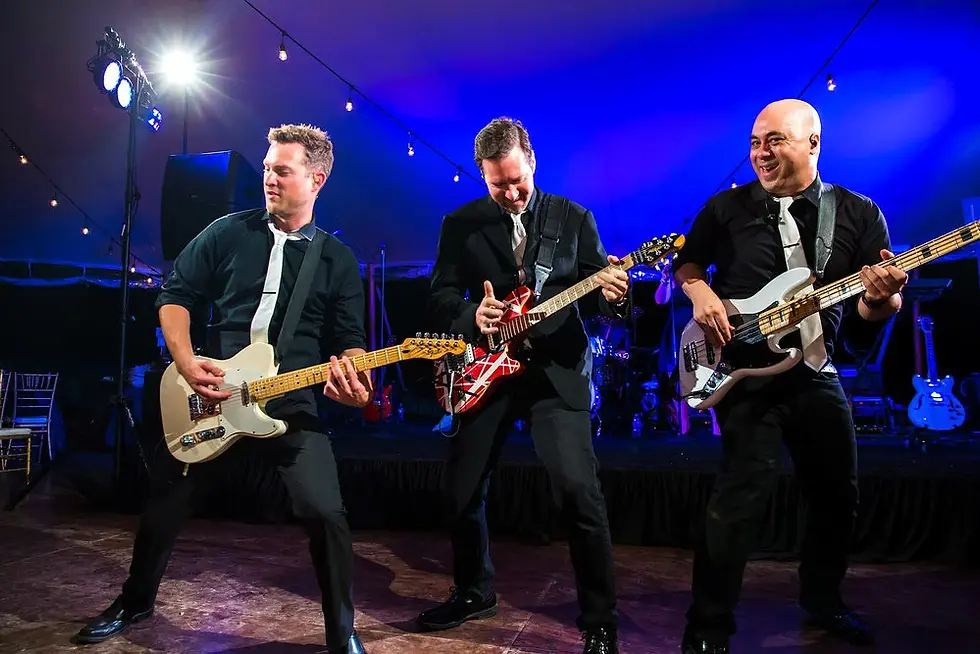
Uptown Drive's 6-10 piece configuration handles every phase of your corporate gala, from jazz-inflected cocktail hour through high-energy post-awards dancing, with the same Certified Original Lineup every time. With 250-plus five-star reviews and dedicated experience across Austin, Dallas, Houston, San Antonio, and Denver, Uptown Drive brings internationally-toured professionalism to your event without the complexity of a headline booking. Contact Uptown Drive to discuss your gala date, your venue's acoustic profile, and a custom entertainment package that fits your event's budget and objectives.


Comments